
Primark
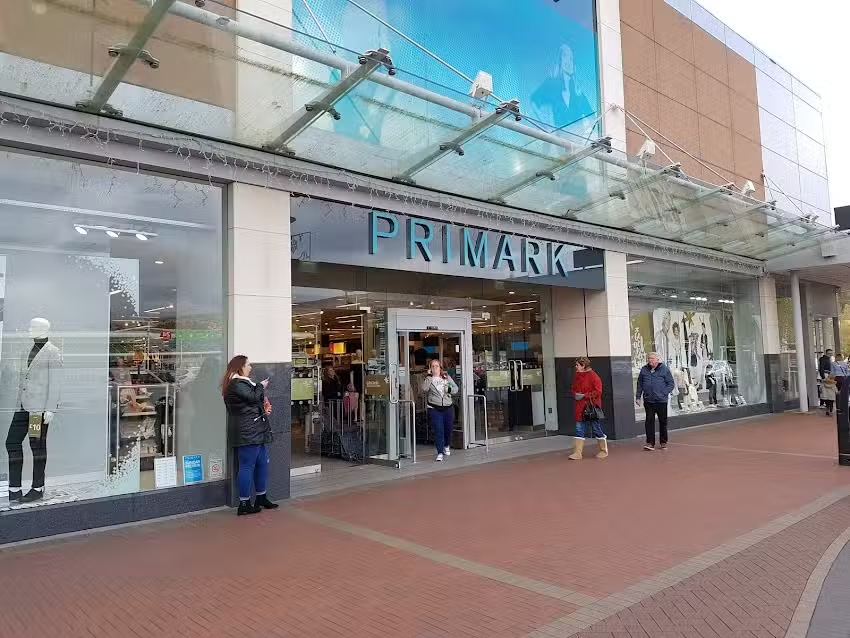
BackLocated in the Cwmbran Retail Park, the local Primark branch stands as a significant two-floor department store for shoppers seeking affordable fashion. It promises a vast selection of clothing and accessories for all ages, alongside a popular range of homewares, all under one roof. The core appeal is its notably low price point, which makes it a magnet for bargain hunters and families. For many, the ability to purchase a wide array of items without a hefty price tag is the defining characteristic of their shopping experience here.
On a positive note, the store is often described by shoppers as clean, tidy, and well-maintained, contributing to a pleasant browsing environment. Its extensive product range spread across two floors means that for many categories, particularly womenswear and children's clothing, the choice is substantial. Customers frequently praise the excellent prices, reinforcing the brand's reputation for value and making it a go-to destination for everyday essentials and trend-led pieces alike.
Points of Contention for Shoppers
Despite its strengths, customer feedback reveals several significant areas of concern that can detract from the shopping experience. A recurring theme in customer complaints is the quality and consistency of service from staff members. Some shoppers have reported interactions with employees they found to be disrespectful or unhelpful, creating a negative atmosphere. This sentiment is echoed in experiences at the checkout, where staff have been described as inattentive, compounding frustrations during what should be the final, simple step of a purchase.
The Checkout Conundrum
The payment process has become a notable point of friction. This store, like many others in the Primark chain, has introduced a large area for self-service checkouts. While intended to speed up the process for those with few items, this shift has created problems for others. Customers wishing to pay with cash often find themselves facing long queues for a very limited number of staffed tills. One shopper detailed a frustrating scenario where only one staff member was serving, leading to significant delays. When forced to use the self-service machines, a further issue arose when an item required staff approval, yet the supervising employee was reportedly oblivious and had to be shouted at to gain their attention. This highlights a system that can feel impersonal and inefficient, particularly when staff support is lacking.
A Decline in the Men's Department
A particularly strong point of criticism comes from male shoppers, who have observed a dramatic change in the store's layout and priorities. What was once a dedicated upper floor for the men's section has reportedly been reduced to a small corner of the store. This significant downsizing has led to a severely limited choice of clothing and accessories for men. Furthermore, some long-time customers feel that this reduction in space has been accompanied by an increase in prices within the men's range, diminishing the value that was once a key attraction. This strategic shift has left many male customers feeling overlooked and underserved, questioning the store's commitment to providing a comprehensive shopping experience for everyone.
Questions Over Quality and Value
While low prices are the main draw, some customer feedback suggests a perception that product quality is declining. Specific complaints have mentioned items like bags being of very poor quality. This is coupled with the sentiment expressed by some that prices are creeping up across the board. The combination of potentially lower quality goods at higher prices challenges the very foundation of Primark's value proposition. If items do not last, the initial saving becomes a false economy, a point of frustration for shoppers who rely on the brand for durable, everyday wear.
The Broader Picture of Fast Fashion
It is impossible to assess a store like Primark without acknowledging its position within the fast fashion industry. The business model is built on high-volume sales of inexpensive, trend-driven items. This model allows the company to maintain its famously low prices by leveraging economies of scale and efficient production methods. However, this approach inherently raises questions about sustainability and ethics. The rapid turnover of clothing lines encourages a culture of disposability, which has a significant environmental impact. While the brand has made public commitments to improving ethical standards in its supply chain, it frequently faces scrutiny over labour practices and the environmental cost of its operations. For a growing number of consumers, these factors are an important consideration when deciding where to spend their money.
Final Considerations for Potential Customers
A visit to Primark in Cwmbran presents a clear trade-off. On one hand, it offers an undeniable opportunity to purchase a wide variety of clothing, accessories, and homeware at exceptionally low prices in what is generally a clean and organised environment. The selection for women and children is particularly extensive.
On the other hand, potential shoppers should be prepared for some significant downsides. The customer service can be inconsistent, and the checkout process, especially for those paying with cash, may be slow and frustrating. Male shoppers will find a drastically reduced selection that may not justify a visit. Furthermore, there are lingering questions about whether the quality of the products has kept pace with perceived price increases. The experience ultimately depends on a shopper's priorities: if rock-bottom price is the most critical factor, this store delivers, but those who value attentive service, a balanced selection for all genders, and long-lasting quality may leave disappointed.