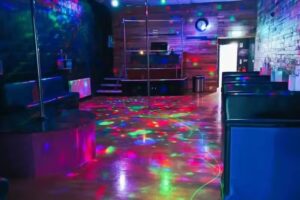
Pandora Summers
BackPandora Summers, a former retail establishment located on Prunus Walk in the Blakelaw area of Newcastle upon Tyne, is now permanently closed. For those searching for this business, it is important to note that it no longer operates. The absence of any significant online footprint, such as a dedicated website or active social media history, suggests that it was a distinctly local, brick-and-mortar venture that relied on its physical presence rather than a digital one.
As a local sex shop, Pandora Summers would have offered a specific type of convenience to residents in the immediate vicinity. The ability to visit a physical store provides a tangible benefit that online shopping cannot replicate. Customers would have had the opportunity to see, handle, and assess the quality of products firsthand. This is particularly valuable when purchasing items such as intricate lingerie or personal items like vibrators and dildos, where material, size, and functionality are key considerations. A local store could also provide a space for in-person advice, guiding customers through a product range that can often be overwhelming when viewed online.
The Competitive Landscape and Business Challenges
Despite the potential advantages of a physical location, the closure of Pandora Summers points to significant challenges that likely contributed to its demise. The adult retail market in the UK is intensely competitive, and several factors would have placed a small, independent store at a distinct disadvantage.
Location and Visibility
Its location in Blakelaw, a residential suburb, was both a potential benefit and a significant drawback. While convenient for the local community, it lacked the high footfall and broad visibility of a city-centre location. Competing stores in central Newcastle would naturally attract a much larger and more diverse customer base from across the region, whereas Pandora Summers was largely dependent on neighbourhood trade. This limited exposure can make it difficult to achieve the sales volume necessary to sustain a physical retail space.
Brand Name and Online Competition
The modern UK adult store market is dominated by a few key players and a vast number of online retailers. A major hurdle for Pandora Summers would have been competing against established high-street brands like Ann Summers, a company that has cultivated a national presence since the 1970s. This level of brand recognition is incredibly difficult to challenge for an independent outlet.
Furthermore, the rise of online-only stores has fundamentally changed how consumers purchase adult toys. Retailers such as HappyLass and Scandals actively target customers in Newcastle, offering extensive product ranges and, crucially, the promise of discreet service. Many consumers prefer the privacy of having sex toys for couples and other items delivered in plain, unmarked packaging directly to their door. This removes the potential discomfort some may feel when visiting a physical sex shop and offers a level of confidentiality that a local store cannot easily match.
The Reality for Independent Adult Retail
Ultimately, the story of Pandora Summers is reflective of a wider trend. Small, independent retailers across many sectors struggle to compete with the logistical efficiency, pricing power, and marketing budgets of national chains and online giants. For a niche business selling products of a sensitive nature, these challenges are magnified.
- Limited Inventory: A small shop can only stock a fraction of the products available through a large online warehouse.
- Pricing Pressure: Online retailers with lower overheads can often offer more competitive prices.
- Privacy Concerns: The anonymity of online shopping remains a powerful draw for many customers in the adult market.
while Pandora Summers may have once provided a useful service for its local community in Blakelaw, its permanent closure was likely an inevitable outcome of a challenging location and an inability to compete with the larger, more established physical and online adult retailers. It remains a closed chapter in Newcastle's retail landscape, highlighting the significant pressures on small, independent businesses in this specialised market.